 Save
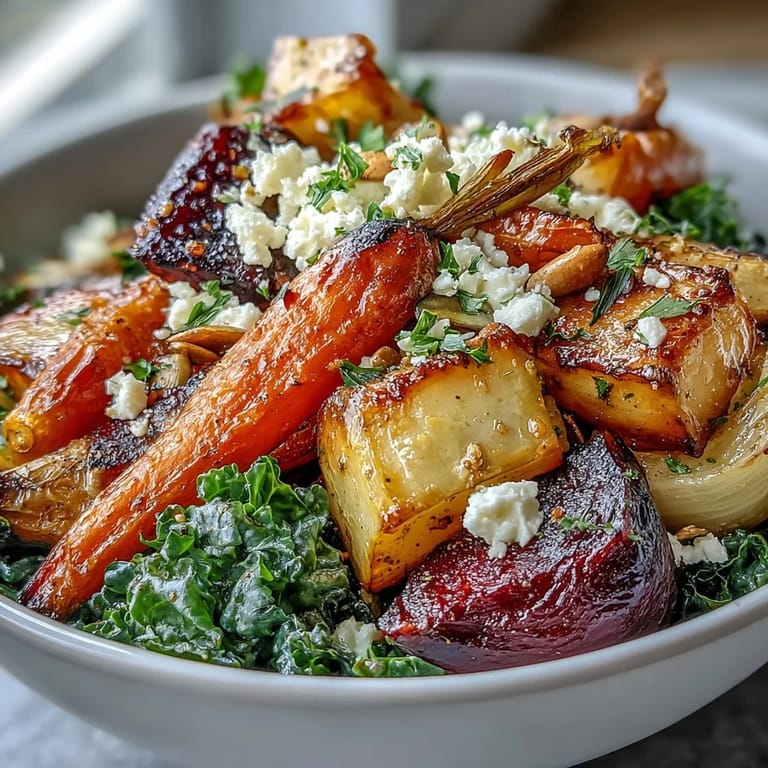
Save Last November, I was standing in my kitchen on a particularly grey afternoon when my neighbor stopped by with a bag of farmers market root vegetables she couldn't use in time. There were these gorgeous beets with soil still clinging to them, parsnips pale and sweet-looking, and I realized I had the perfect way to use them all at once. This bowl came together almost by accident that day, but it's become my go-to when the weather turns cold and I need something that feels both comforting and genuinely nourishing.
I made this for my sister when she was recovering from surgery and needed meals that felt substantial but weren't heavy. She'd been living on soup and sandwiches, and when she tried this bowl with the warm dressing and those salty pepitas, she actually asked for the recipe right away. Now whenever we video call during winter, she tells me she's made another batch, and somehow that small moment of her feeling better through food has made this bowl mean more to me than just a recipe.
Ingredients
- Carrots: Choose medium ones without soft spots, and peel them just before cutting so they stay fresh and vibrant orange.
- Parsnips: These are the quiet heroes here—they get sweeter and more tender than carrots when roasted, adding an almost nutty depth.
- Sweet potato: One small one gives you enough starch and natural sweetness to balance the earthier vegetables without overwhelming the bowl.
- Beet: Cut it into wedges rather than chunks so it caramelizes on the edges; roasting brings out the sugars and makes it less intensely earthy.
- Olive oil: Use your everyday olive oil for roasting, not your good stuff—high heat is unforgiving to premium bottles.
- Kosher salt and black pepper: Season as you go; this isn't the time to hold back because the vegetables need enough salt to bring out their natural sweetness.
- Dried thyme: It perfumes the whole pan while things roast and adds an herbaceous note that ties everything together.
- Curly kale: The massage step isn't just for show—it genuinely softens the leaves and makes them less bitter and chewy.
- Apple cider vinegar: The acidity in the warm dressing is what makes your mouth light up when you eat this; don't skip it or substitute it with regular vinegar.
- Dijon mustard: Just a tablespoon emulsifies the dressing and adds a subtle backbone that keeps it from tasting one-dimensional.
- Honey or maple syrup: Either works, though maple syrup feels more intentional in winter; it balances the vinegar's sharp edge.
- Pumpkin seeds: Toast them yourself if you can—the difference in flavor and texture is absolutely worth the five minutes of attention.
- Feta cheese: The saltiness is crucial, and it adds creaminess even though there's no cream in this bowl.
Tired of Takeout? 🥡
Get 10 meals you can make faster than delivery arrives. Seriously.
One email. No spam. Unsubscribe anytime.
Instructions
- Set your oven and prep your pan:
- Preheat your oven to 425°F and line a baking sheet with parchment paper so nothing sticks. This high heat is what creates those caramelized edges you're after.
- Season and spread the root vegetables:
- Toss your cut vegetables with olive oil, salt, pepper, and thyme in a bowl, then spread them out on the baking sheet in a single layer. Don't crowd them—they need space to actually roast rather than steam.
- Roast until caramelized:
- Put them in the oven for 30 to 35 minutes, stirring everything around halfway through so the pieces that were on the bottom get their turn at direct heat. You're done when the edges are golden and a fork slides through easily.
- Massage your greens:
- While the vegetables roast, tear up your kale and massage it with olive oil and a pinch of salt using your hands—really work it for a minute or so. This breaks down the cell walls and takes the bite out of the raw kale.
- Build your dressing:
- Heat oil in a small skillet over medium heat and sauté the minced shallot for about two minutes until it softens and becomes fragrant. Pour in the vinegar, mustard, and honey, whisking to combine, then taste and adjust seasoning—this is your chance to make it perfect.
- Assemble the bowls:
- Divide the massaged kale among four bowls, then top each one with a portion of the roasted vegetables. Drizzle the warm dressing over everything so it hits the kale and wilts it slightly from the heat.
- Finish with toppings:
- Scatter pumpkin seeds and crumbled feta over each bowl and serve right away while the dressing is still warm. This final step brings everything together into something that tastes both simple and complete.
 Save
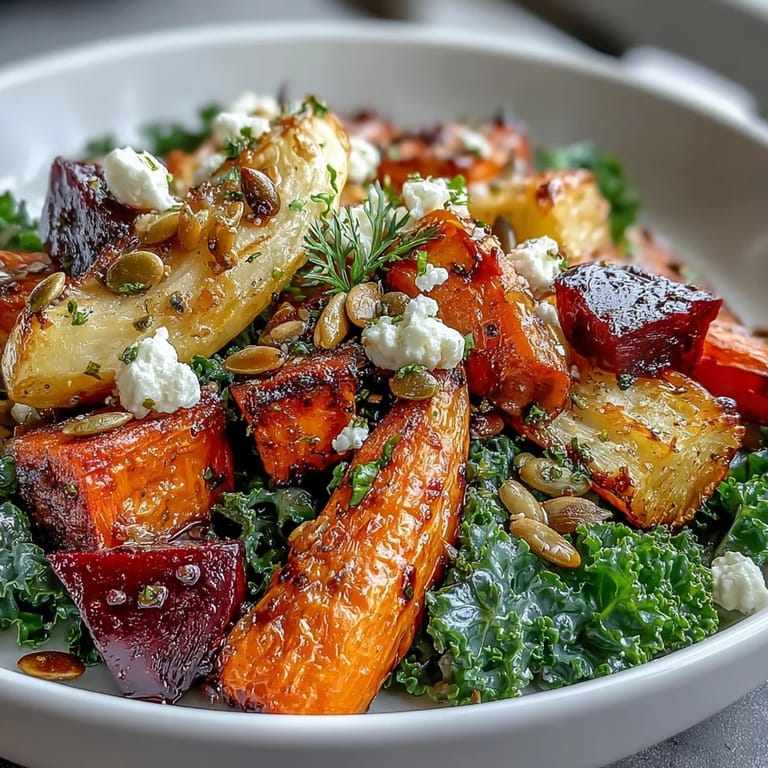
Save There's something almost meditative about this bowl in the context of winter. It's the kind of meal that makes you slow down, and the combination of warm and cool, sweet and bitter, creamy and crunchy feels deliberately balanced in a way that satisfies you longer than you'd expect.
Why Root Vegetables in Winter
Root vegetables aren't just available in winter by accident—they're meant to be eaten then. They store incredibly well, they've spent months building up their sugars and flavors, and they're at their peak right when you need something grounding and substantial. Roasting them concentrates all of that sweetness and creates edges that caramelize in a way that changes the vegetable entirely, making them taste almost indulgent rather than virtuous.
Making It Your Own
This bowl is genuinely flexible without falling apart, which is part of why I keep coming back to it. You can swap greens based on what you have—spinach is gentler, chard is earthier, even regular lettuce works if kale isn't your thing. The root vegetables can shift with the season and what's available at your market, and you can absolutely add grains like quinoa or farro to make it more substantial if you need it to be a complete dinner without sides.
The Dressing Matters More Than You Think
I've made this bowl with a standard balsamic vinaigrette out of convenience and it tastes like something entirely different—less interesting, less alive. The apple cider vinegar with Dijon mustard combination is specific because it has personality without being loud, and the warmth activates all the flavors so they actually reach you instead of sitting on the surface of the leaves. When you taste that first spoonful with all the components together, the dressing is what ties everything into something coherent.
- Make the dressing fresh each time if you can; it only takes five minutes and tastes noticeably better than something sitting in your fridge.
- If you're cooking for someone picky about mustard, reduce it to half a teaspoon and add a bit more honey to balance the vinegar instead.
- The dressing will thicken slightly as it cools, so if you're serving after a few minutes, whisk it again with a splash of water to loosen it back up.
 Save
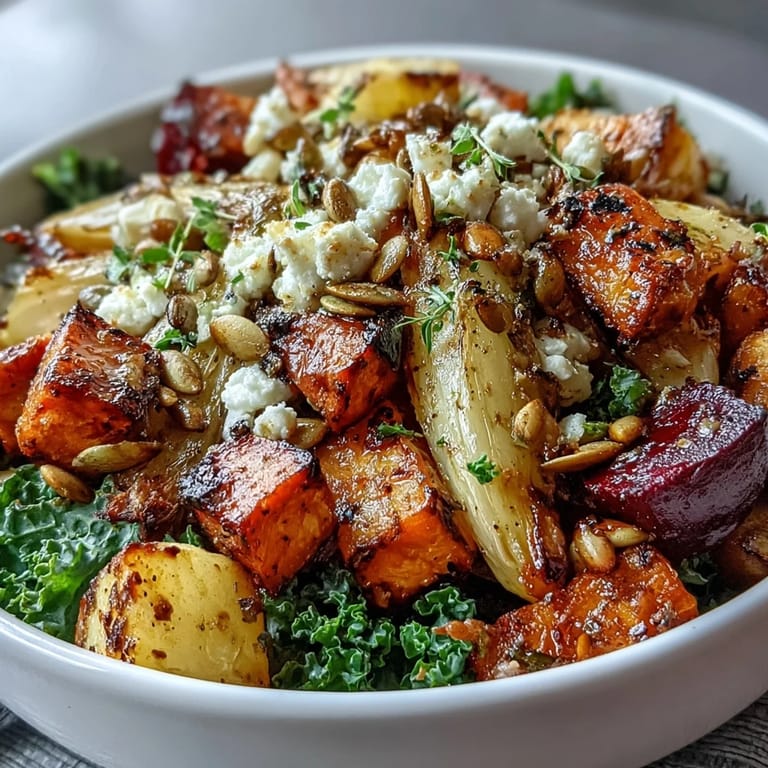
Save This bowl has become my winter ritual—it feels sophisticated enough for guests but simple enough that I make it for myself on tired Tuesdays when I need something that tastes like actual food. There's real nourishment in a bowl like this, the kind that makes you feel genuinely good after eating it.
Recipe FAQs
- → What vegetables work best in this bowl?
Carrots, parsnips, sweet potato, and beets roast beautifully together. Their natural sweetness intensifies in the oven, creating tender, caramelized bites that pair perfectly with the tangy dressing.
- → Why massage the kale?
Massaging kale with olive oil and salt breaks down its tough fibers, making it tender and easier to eat. This simple step transforms raw kale into a soft, silky base that complements the roasted vegetables.
- → Can I make this vegan?
Absolutely. Simply omit the feta cheese or replace it with a plant-based alternative. The bowl remains satisfying and flavorful without dairy, thanks to the hearty vegetables and protein-rich pumpkin seeds.
- → How do I store leftovers?
Store components separately in airtight containers. Roasted vegetables keep for 4-5 days, while the dressed kale is best eaten within 2 days. Warm the dressing gently before assembling leftovers.
- → Can I add protein?
Yes. Add cooked quinoa, brown rice, or lentils for plant-based protein. Roasted chickpeas or tempeh also work well. For meat options, shredded chicken or roasted chickpeas complement the flavors.