 Save
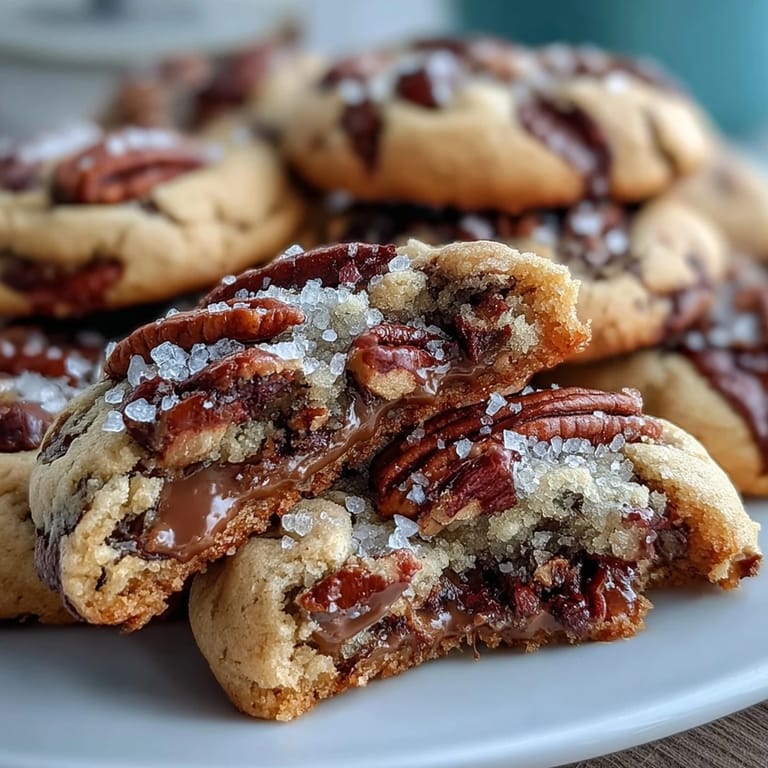
Save There's something almost meditative about watching butter transform in a pan, shifting from pale and ordinary to liquid gold with those first wisps of nutty aroma rising up. I discovered these cookies by accident, honestly—I'd browned butter for a sauce and had extra sitting in a bowl, and rather than waste it, I thought, why not build an entire cookie around that flavor? The toasted pecans and flaky sea salt seemed like natural companions, and the first batch that came out of the oven felt like I'd finally cracked some kind of code.
I baked these for my neighbor last fall when she brought over homemade jam, and watching her face light up when she bit into one—that moment of genuine surprise—made me realize these weren't just cookies, they were the kind of thing people remember. She asked for the recipe three times that afternoon, each time sounding more insistent, which felt like the highest compliment I could ask for.
Ingredients
- Unsalted butter (1 cup): Don't skip the browning step—it's where all the magic happens, transforming simple butter into something with real personality and depth.
- All-purpose flour (2 1/4 cups): The foundation that holds everything together; make sure you're not packing it down when measuring.
- Baking soda (1 teaspoon): This reacts with the acidic brown sugar to give you that perfect spread and golden edges.
- Fine sea salt (1/2 teaspoon): Keep this separate from the flaky finishing salt; it seasons the dough itself.
- Packed light brown sugar (1 cup) and granulated sugar (1/2 cup): The combination gives moisture and chewiness from the brown sugar while the white sugar helps with crispness.
- Large eggs (2), at room temperature: Room temperature eggs incorporate more smoothly and create a better emulsion with the butter.
- Pure vanilla extract (2 teaspoons): Don't use imitation here; it gets lost against the brown butter's boldness.
- Pecan halves, toasted and chopped (1 1/2 cups): Toasting them first wakes up their flavor and prevents them from tasting raw or bitter in the final cookie.
- Flaky sea salt (such as Maldon): This finishing touch isn't decoration—it's a flavor element that creates a salty-sweet tension that makes these cookies unforgettable.
Tired of Takeout? 🥡
Get 10 meals you can make faster than delivery arrives. Seriously.
One email. No spam. Unsubscribe anytime.
Instructions
- Brown the butter until it's golden and fragrant:
- Melt the butter in a medium saucepan over medium heat, then keep swirling it constantly as it foams and darkens—this takes about 5 to 7 minutes total. You want it golden brown with a toasted, almost nutty smell, not burnt with a harsh edge; if you're unsure, it's better to pull it early than too late.
- Toast the pecans while the butter cools:
- Preheat your oven to 350°F while the brown butter sits on the counter for 10 minutes. Spread pecan halves on a baking sheet and toast for 6 to 8 minutes, stirring halfway through so they color evenly, then let them cool and chop them into pieces that aren't too fine.
- Mix the brown butter with the sugars:
- Once the brown butter has cooled enough that you can hold the bowl, add both sugars and beat them together until they look incorporated and slightly fluffy. The butter should combine smoothly with the sugars to create a base that feels almost like wet sand.
- Add the eggs and vanilla one step at a time:
- Add one egg, beat it in completely, then repeat with the second egg before stirring in the vanilla—this prevents the mixture from looking curdled or separated. The dough should look homogeneous and slightly glossy at this point.
- Combine the dry ingredients separately, then fold them in:
- In another bowl, whisk together the flour, baking soda, and fine sea salt, then add this to the wet mixture and stir just until you don't see any white streaks of flour anymore. Fold in the toasted pecans at the very end, being gentle so you don't overdevelop the gluten.
- Scoop, add salt, and bake:
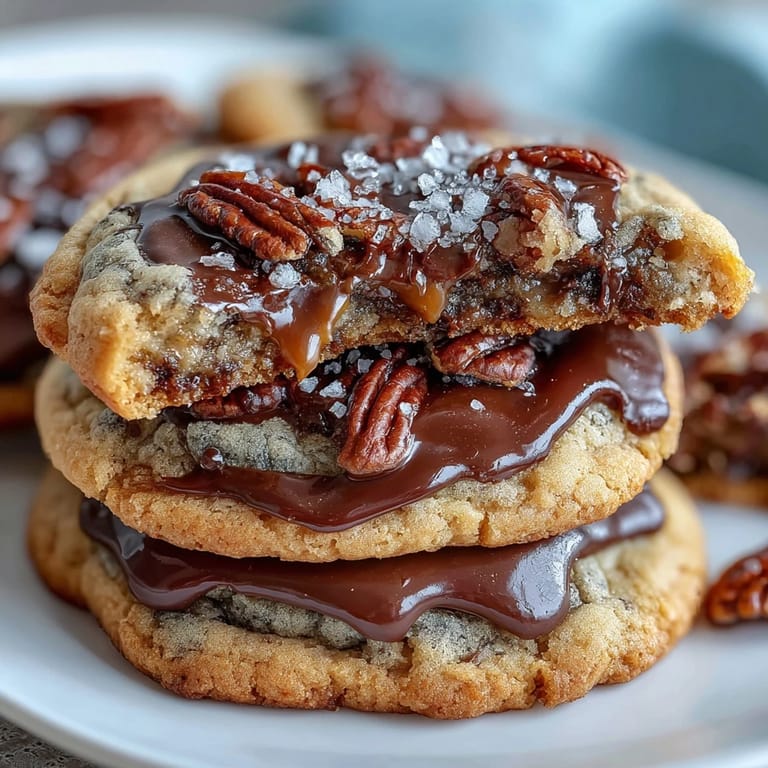
- Drop 2-tablespoon portions of dough onto parchment-lined baking sheets, spacing them about 2 inches apart, then give each one a tiny pinch of flaky sea salt right on top. Bake for 12 to 14 minutes until the edges are golden brown but the centers still look slightly underdone, then let them sit on the hot pan for 5 minutes before moving to a cooling rack.
 Save
Save These cookies have a way of disappearing fast, which is its own kind of validation. I've learned that making a double batch isn't excessive; it's just being realistic about how many people will want them once they catch that brown butter scent coming from your kitchen.
Why Brown Butter Changes Everything
Brown butter isn't just a fancy technique—it's actually the difference between a cookie that tastes like a generic grocery store version and one that tastes like something someone spent time thinking about. When butter heats to a certain point, the milk solids toast and develop nutty, almost caramel-like flavors that can't be replicated by just using regular melted butter. It's the kind of small decision that fundamentally shifts how a cookie tastes, which is why I'll never go back to making these any other way.
The Strategic Salt Layer
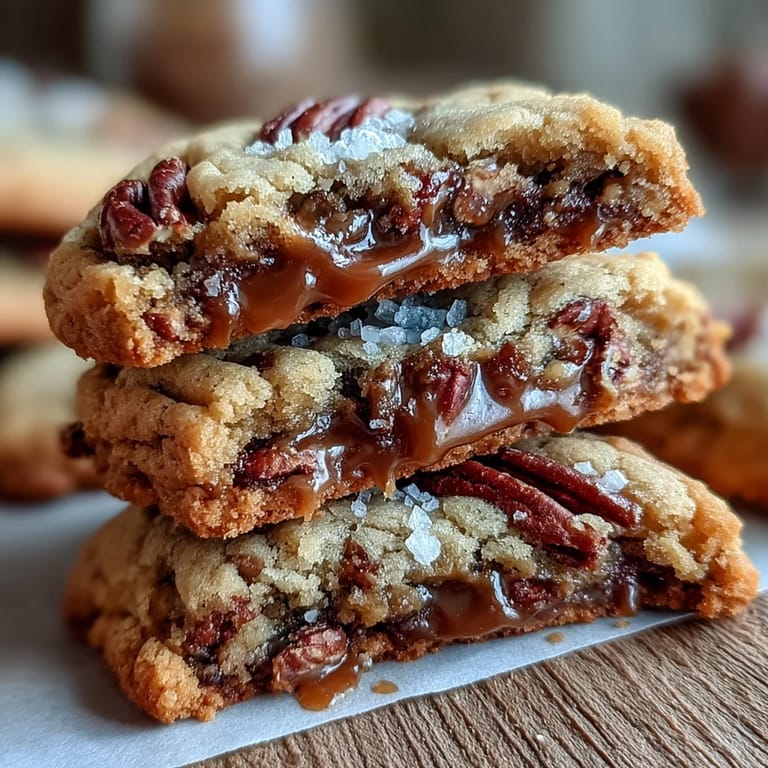
Using two different salts—fine sea salt in the dough and flaky sea salt on top—is something I figured out through trial and error. The fine salt integrates and seasons the dough evenly, while the flaky salt sits on the surface and hits your mouth as little bursts of salinity that make the sweetness taste brighter and more interesting. I've had people take a bite and immediately ask what the salt is because they can taste it's there but can't quite figure out why it works so well.
Storage, Sharing, and Small Moments
These cookies keep for about five days in an airtight container, though they never last that long in my house. I've learned that room-temperature cookies taste better than cold ones, so I usually take them out of storage about 20 minutes before serving, which somehow makes the brown butter flavor come through more clearly. If you want to get ahead, the dough actually improves if you refrigerate it for 1 to 2 hours before baking, which gives the flavors time to meld and makes the cookies slightly thicker and chewier.
- These pair beautifully with strong coffee or a cold glass of milk, which seems obvious but changes how they taste.
- They also work as an unexpected dessert after dinner instead of something more formal.
- Don't hesitate to make them ahead for a gathering—they travel well and taste just as good the next day.
 Save
Save These cookies represent what I love most about baking: the way a few simple ingredients and a little attention to detail can create something that genuinely delights people. They're the kind of recipe I come back to again and again, and somehow they taste a little better each time I make them.
Recipe FAQs
- → How do I brown butter properly?
Melt butter over medium heat, swirling often until it foams and turns golden brown with a nutty aroma, usually in 5–7 minutes. Remove from heat to prevent burning.
- → Can I use other nuts instead of pecans?
Yes, walnuts make a great substitute and add a different nutty flavor, though the texture may vary slightly.
- → Why is flaky sea salt added on top?
Flaky sea salt adds a subtle crunch and balances the sweetness by enhancing the overall flavor complexity.
- → What’s the best way to toast pecans?
Spread pecans on a baking sheet and toast in a 350°F oven for 6–8 minutes, stirring halfway for even toasting, then cool before chopping.
- → Should I chill the dough before baking?
Chilling the dough for 1–2 hours can deepen flavors and improve texture, but it’s optional if you’re short on time.
- → How do I know when cookies are done baking?
Bake until edges are golden and centers look just set, typically 12–14 minutes, then cool on the baking sheet before transferring.