 Save
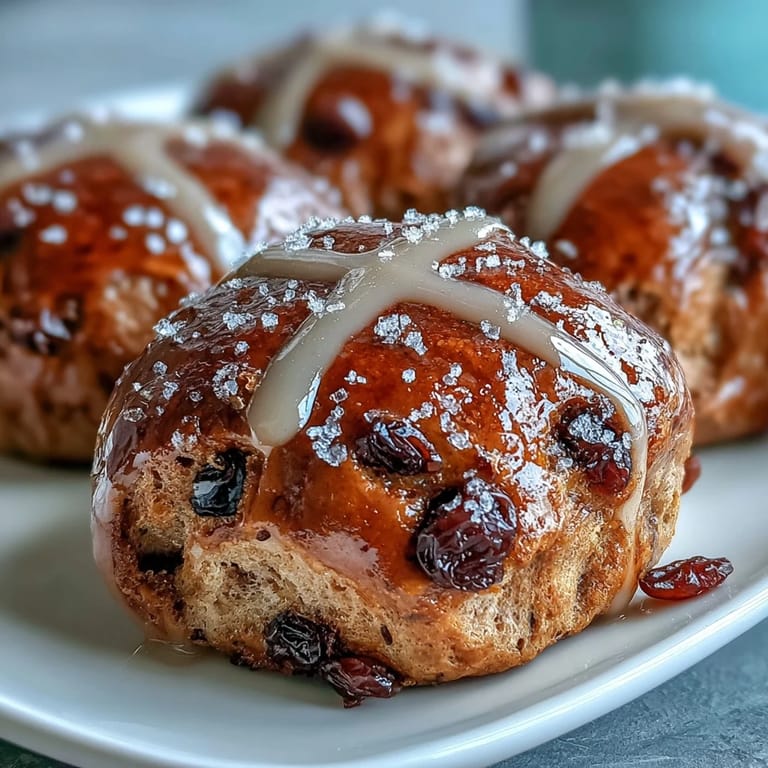
Save The first time orange zest met cinnamon in my kitchen, it perfumed the whole house and drew even the neighbor's cat to the back door. Everyone’s heard of hot cross buns, but I admit it took a rainy weekend and a craving for something gently spiced to finally make them from scratch. There’s a quiet rhythm to kneading sticky dough and rolling the little buns—my hands dusted with flour, sunlight puddling across the counter. The scent of baking bread and citrus always signals something special is about to come from the oven. I never expected piping the crosses to be quite so satisfying, or just how quickly the finished buns would vanish.
Once, my cousin arrived a whole hour earlier than planned for Easter brunch, and it turned out, she just wanted to help glaze the buns. We spent those extra minutes laughing, stealing warm halves straight from the tray, dripping glaze onto our fingers and the counter. Since then, it's become a tradition—someone always insists on “quality assurance” before I set the batch out for everyone else. Sharing those slightly sticky, steaming buns fresh from the oven is honestly my favorite part. There’s something about gathering around a tray of homemade buns that makes the kitchen feel warmer—and the morning last a little longer.
Ingredients
- Bread flour: Stronger than all-purpose, it helps create that classic soft yet structured crumb—make sure to measure with care for a fluffy result.
- Granulated sugar: Lends just enough sweetness and helps the buns brown beautifully in the oven.
- Active dry yeast: Let it wake up in warm liquid; a fresh packet is a must for a reliable rise.
- Fine sea salt: Brings out every spice and balances the sweetness—don’t skip it.
- Ground cinnamon, allspice, nutmeg: These give the dough its comforting warmth; fresher spices really do make a difference.
- Orange zest: The secret touch—zest directly over the bowl to catch all the fragrant oils.
- Whole milk: Needs to be just warm to the touch, not hot, or you might accidentally slow down your yeast.
- Unsalted butter: Makes for a rich, tender crumb, and using melted butter blends best.
- Eggs: Let them come to room temp for the dough to come together more smoothly.
- Currants or raisins: Toss them with a spoonful of flour if you’re worried they’ll sink; they add little pops of sweetness.
- All-purpose flour (for cross paste): Stirs up to form the iconic cross, just thick enough to pipe and hold its shape.
- Water (for cross paste): Add slowly to get a consistency like pancake batter—easy to work with but not too runny.
- Powdered sugar: This forms the glaze—sift if you want zero lumps.
- Fresh orange juice: Brings brightness to the glaze and ties everything together—juice it right before mixing.
- Orange zest (for glaze): Just a little more never hurts—the aroma hits first with every bite.
Tired of Takeout? 🥡
Get 10 meals you can make faster than delivery arrives. Seriously.
One email. No spam. Unsubscribe anytime.
Instructions
- Mix the dry ingredients:
- Tip your flour, sugar, yeast, salt, spices, and orange zest into a spacious bowl; inhale as you stir—those scents mean you're off to a great start.
- Whisk the wet ingredients:
- Combine the lukewarm milk, melted butter, and eggs in a small bowl; it should feel cozy-warm to the touch, just like a cup of tea you’d sip slowly.
- Make the dough:
- Pour the wet mixture into the dry and mix with a wooden spoon or dough hook until a shaggy dough forms.
- Knead until smooth:
- Knead by hand or in a mixer for 8–10 minutes; the dough should become soft and elastic, slightly tacky but pull away from your hands.
- Add currants or raisins:
- Scatter them over the surface and knead in briefly, aiming for even distribution so every bun gets its share of sweetness.
- First rise:
- Shape the dough into a ball, slide it into an oiled bowl, cover, and let rise until doubled in size—about 1 to 1.5 hours somewhere warm and draft-free.
- Shape the buns:
- Punch down the risen dough, divide into 12 equal pieces, and roll each into a smooth ball—mine always end up slightly different sizes, but that’s half the charm.
- Second rise:
- Arrange the balls close (but not touching) on a parchment-lined baking tray, cover, and let them puff up for another 30–40 minutes.
- Prepare the cross paste:
- Mix the flour and water to form a thick, pipeable batter, then scoop it into a piping bag or zip-top bag with a tiny snipped corner.
- Pipe the crosses:
- Steady your hand and pipe a bold cross on each bun—perfection isn’t necessary, personality is.
- Bake the buns:
- Bake at 375°F (190°C) for 22–25 minutes until golden brown; when tapped, they should sound slightly hollow.
- Make the orange glaze:
- Whisk powdered sugar with fresh orange juice and zest until silky and smooth—taste and adjust the juice for drizzling consistency.
- Glaze the buns:
- As soon as the buns come out of the oven, brush liberally with the glaze; it soaks in quickly and adds a shiny, zesty finish.
- Cool and enjoy:
- Let the buns cool slightly—just enough so the glaze sets but the crumb remains deliciously soft and warm.
 Save
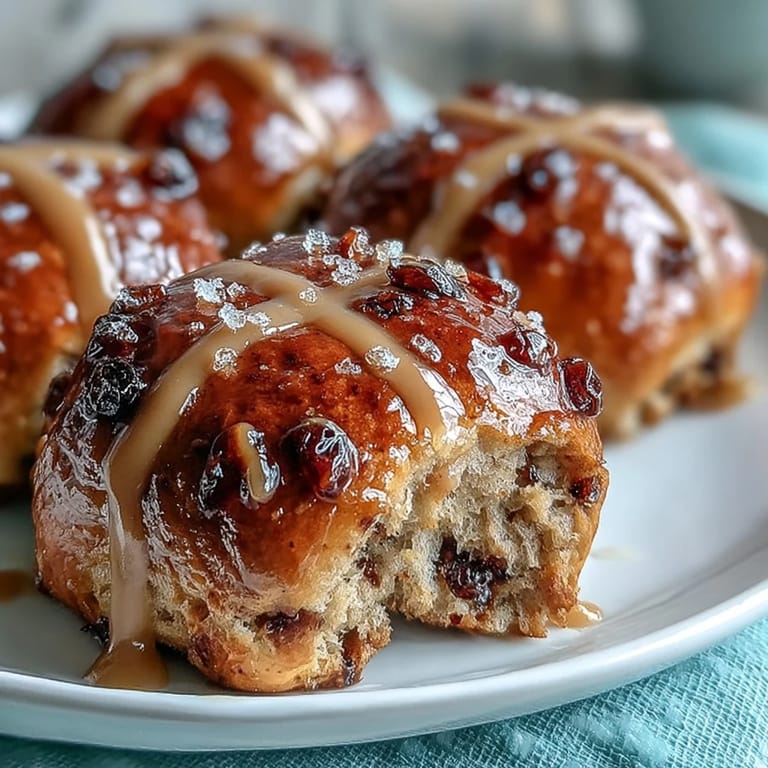
Save There was a time when I pulled the tray out, set it next to a window cracked open to spring air, and the whole house seemed to lean in, drawn by the spicy-sweet aroma. Sharing those sticky, citrus-glazed buns, everyone pausing with their coffee or tea, brought more laughter to that simple breakfast than I could have imagined. It's these small gatherings, hands reaching for seconds and thirds, that have turned this recipe into something more than just a seasonal treat. Sometimes, even when the last bun disappears, the conversation lingers as brightly as the scent left behind.
Perfecting Your Rise
I used to be impatient and tuck my dough bowl right up against the radiator, but a gentle, steady warmth works much better than too much heat. When I switched to letting the dough rise inside a turned-off oven with just the light on, the results were more reliably airy every single time. Waiting for the dough to double is the hardest part, especially when you can already smell the orange and spice. Letting it fully rise, though, is the difference between a dense bun and a cloudlike one. If you’re ever tempted to rush this step, find a good podcast—it’ll make the time fly by.
Making the Crosses Look Just Right
The first time, my crosses were more zigzags than anything—steadying your hand and moving confidently in one swift motion makes all the difference. Waiting until the second rise is done before piping helps the paste stay sharp and distinct as the buns bake. I learned it’s okay if they aren’t all perfectly lined up; the uneven ones always get claimed first. My favorite trick is to pipe a few extra lines just for fun and call them “lucky buns.” Kids especially love helping with this part, and flour-dusted fingers are practically required.
Freshness and Serving Tips
Fresh from the oven, these buns are unbeatable—the insides steaming, the glaze gleaming in the morning light. If you do need to reheat leftovers, a quick zap in the microwave or a few minutes in the oven brings that softness right back. They’re great halved and toasted, too, especially with a pat of salted butter melting right in.
- Keep extra buns covered with a cloth to stay soft.
- A sprinkle of candied orange peel really ups the festive vibe.
- Never skip the glaze—it makes everything pop.
 Save
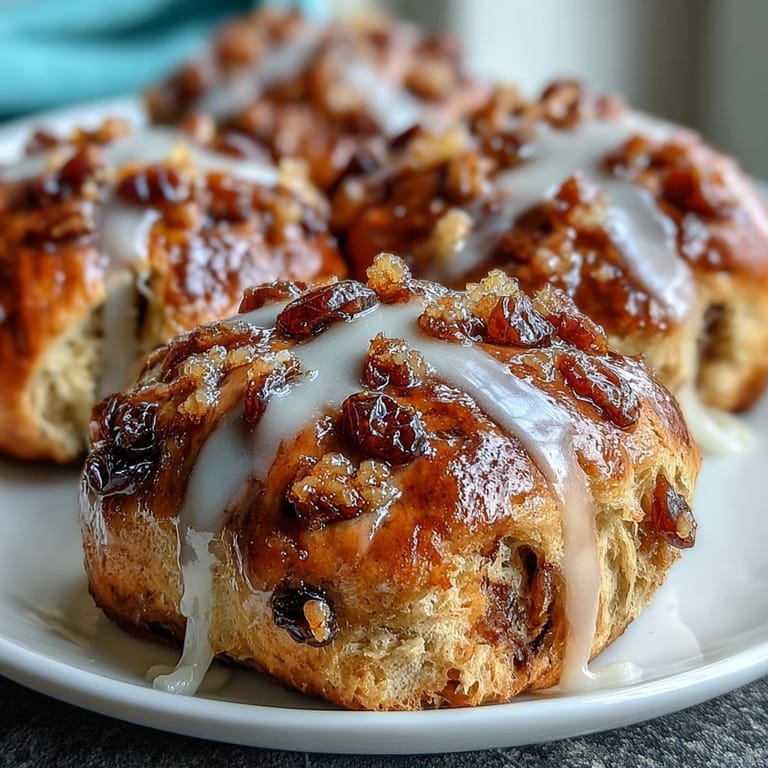
Save Hot cross buns with orange glaze are proof that a little extra effort in the kitchen pays off in smiles and seconds. However you serve them, they have a way of making any table feel inviting and a bit more joyful.
Recipe FAQs
- → How do I get soft and fluffy buns?
Be sure to knead the dough until it’s smooth and elastic, and allow it to rise in a warm place until doubled for the best texture.
- → Can I use other dried fruit instead of currants?
Yes, raisins, dried cranberries, or chopped dried apricots can be used for variation in flavor and texture.
- → What is the purpose of the orange glaze?
The orange glaze adds a sweet, citrusy finish that complements the spices and enhances the overall flavor.
- → Is it necessary to pipe the cross on top?
The cross is traditional and adds visual appeal, but you can omit it if desired. The flavor remains delicious either way.
- → How long do the buns stay fresh?
They are best enjoyed fresh but can be stored and gently reheated for up to two days after baking.
- → What’s the best way to serve them?
Serve slightly warm with salted butter or your favorite spread for a classic touch.