 Save
Save There's a particular magic that happens when you're standing in front of a roasted ham, watching the edges turn golden, and you realize you need something to make it truly memorable. That's when I discovered black currant glaze, almost by accident, while rummaging through a jar of preserves my neighbor had gifted me. The first time I brushed this glossy, deep purple mixture onto a holiday ham, the kitchen filled with this incredible aroma—sweet, tangy, sophisticated—and I knew I'd stumbled onto something special. What started as a happy accident became my go-to finish for nearly everything that comes out of my oven.
I remember my sister tasting the glazed ham at Thanksgiving and asking what restaurant I'd ordered from—she couldn't believe I'd made it myself. Watching her face when I pointed to the simple jar of black currant preserves sitting on the counter was worth every minute. It became the dish people actually asked me to bring to potlucks, which felt like a small victory for someone who'd always considered themselves more practical than adventurous in the kitchen.
Ingredients
- Black currant preserves or jam: This is your base, the star ingredient that gives the glaze its deep color and subtle tartness—quality matters here since it's doing most of the flavor work.
- Balsamic vinegar: The secret weapon that cuts through richness and adds sophistication without tasting acidic; it's the difference between a glaze that tastes homemade and one that tastes refined.
- Honey: Think of this as your sweetness anchor, balancing the mustard's sharpness and the vinegar's tang.
- Dijon mustard: A surprisingly small amount creates depth and prevents the glaze from feeling one-dimensional or overly jammy.
- Unsalted butter: This makes the glaze glossy and luxurious, melting in during the first minute of heat and transforming the texture completely.
- Brown sugar: A tablespoon adds richness and helps the glaze caramelize just slightly as it simmers.
- Fresh thyme leaves: Optional, but if you have it fresh, it whispers herbaceous notes that make people wonder what your secret is.
- Black pepper and salt: The final touches that make everything taste like itself, sharper and more intentional.
Tired of Takeout? 🥡
Get 10 meals you can make faster than delivery arrives. Seriously.
One email. No spam. Unsubscribe anytime.
Instructions
- Gather and measure:
- Pull out your small saucepan and arrange all your ingredients within reach, as this happens quickly once you start. Having everything measured keeps you from scrambling while the heat's on.
- Combine the base:
- Pour the black currant preserves, balsamic vinegar, honey, Dijon mustard, butter, and brown sugar into the saucepan. Stir gently until the butter melts and the mixture smooths out, usually taking just a minute or two over medium heat.
- Add the flavorings:
- Stir in the thyme (if using), black pepper, and a pinch of salt, tasting as you go because everyone's definition of seasoned is different. This is where you can adjust—more pepper if you like heat, less salt if your mustard already feels salty enough.
- Simmer and thicken:
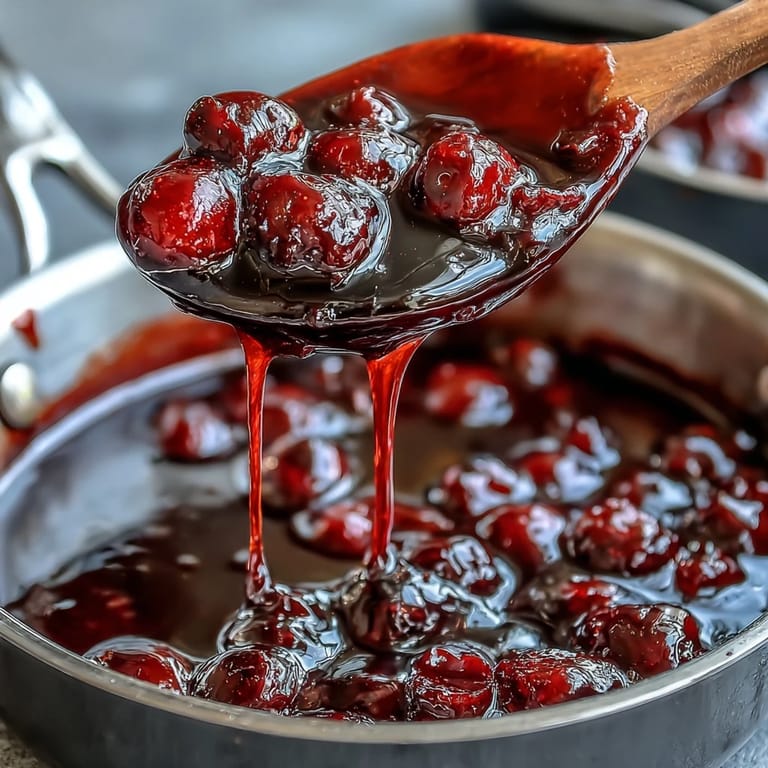
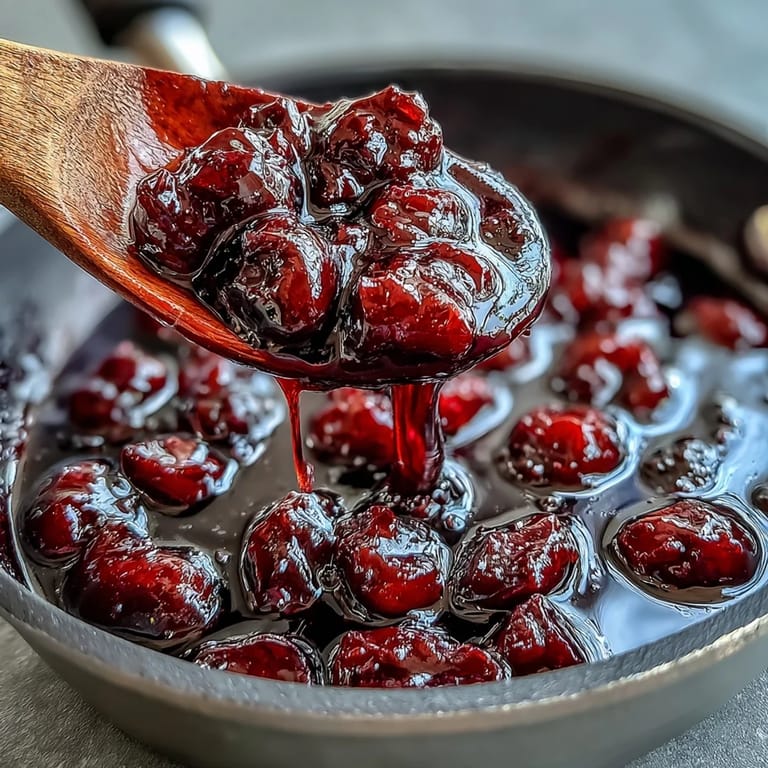
- Lower the heat slightly and let the glaze bubble gently for 5 to 7 minutes, stirring every minute or so. You'll watch it transform from thin and loose to glossy and coating, which should look like it would cling beautifully to whatever you're glazing.
- Test and finish:
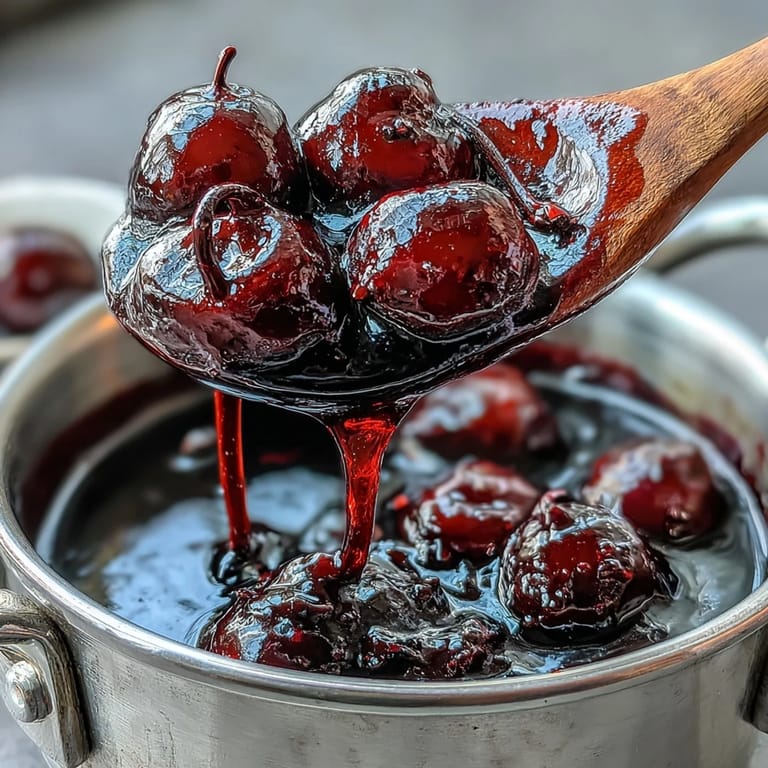
- Dip a spoon in and hold it up—the glaze should coat it and slowly drip off, not pour. Remove from heat immediately once it reaches that glossy, thickened state, as it'll continue to set as it cools slightly.
 Save
Save There was an evening when I served this glaze on roasted duck to friends who'd been expecting something ordinary, and instead found themselves pausing mid-bite, eyes widening slightly. That moment when food becomes a conversation, when people want the recipe or ask what restaurant's trick you've borrowed, that's when this simple pan of glaze stopped being just a condiment. It became proof that sometimes the smallest effort in the kitchen creates the biggest impression.
Using Your Glaze
This glaze works beautifully in two distinct ways depending on what you're cooking. For a ham or large roast, brush it on during the final 20 to 30 minutes so it melts into the meat and caramelizes slightly on the surface. For roasted vegetables like carrots, beets, or Brussels sprouts, toss them with the warm glaze right after roasting while they're still hot, or brush individual pieces just before serving so the glaze stays glossy and intact.
Making It Smoother
If the preserves have whole fruit pieces and you prefer a completely smooth, refined glaze, strain it through a fine mesh sieve before using. This step takes maybe two minutes but transforms the texture into something restaurant-quality, so it's worth considering if you're cooking for people you're trying to impress. The strained solids can go straight into a bowl for afternoon snacking, so nothing's wasted.
Storage and Substitutions
Leftovers keep beautifully in a sealed jar in the refrigerator for up to a week, making this glaze worth batch-making if you're planning multiple dinners. You can also gently reheat it over low heat if it firms up, whisking in a splash of water to return it to brushable consistency. If black currant preserves aren't available where you are, red currant or cherry preserves work wonderfully, though you might want to add an extra splash of vinegar to keep that tangy-sweet balance sharp.
- Pork, chicken, and duck all benefit equally from this glaze, so don't limit yourself to one protein.
- Store any leftover glaze in a small glass jar rather than plastic, as the color can stain.
- This glaze freezes well for up to three months if you're planning ahead, which means you can make a double batch and save time later.
 Save
Save This glaze has become one of those recipes that feels like a small superpower, a way to turn ordinary roasted things into something memorable with barely any effort. I hope it brings the same quiet joy to your table that it's brought to mine.
Recipe FAQs
- → What is the best way to achieve a smooth glaze?
Strain the glaze through a fine mesh sieve after cooking to remove any lumps and ensure a smooth consistency.
- → Can I substitute black currant preserves with another fruit?
Yes, red currant or cherry preserves make good alternatives and offer a similar tartness and sweetness.
- → What dishes pair well with this glaze?
This glaze complements roasted meats like pork, chicken, and duck, as well as baked root vegetables for added flavor.
- → How long should I simmer the glaze?
Simmer the mixture gently for 5 to 7 minutes, stirring occasionally, until it thickens and becomes glossy.
- → Can I prepare this glaze ahead of time?
Yes, store leftovers in a sealed container in the fridge for up to one week and gently reheat before using.