 Save
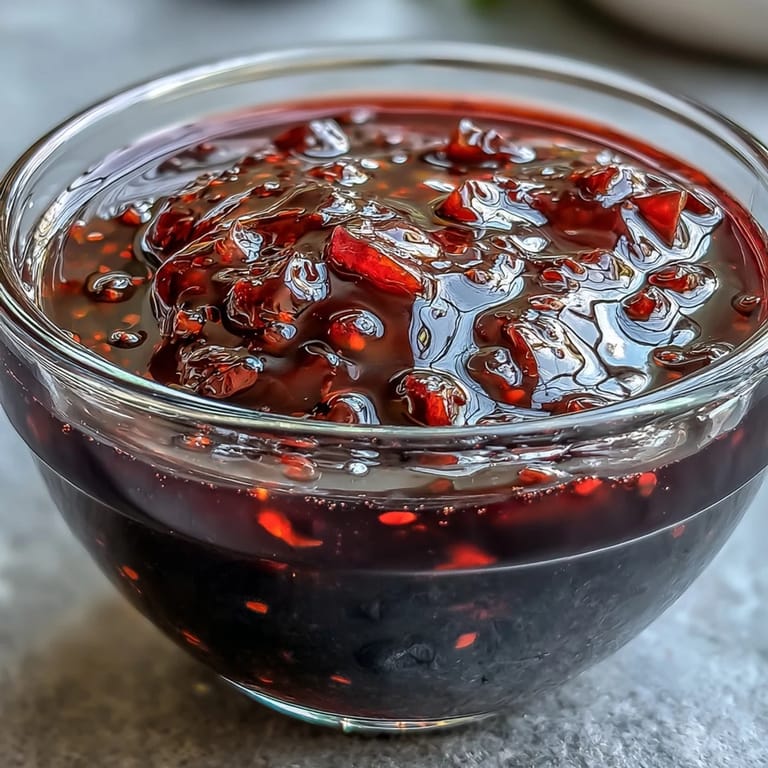
Save I discovered black currant vinaigrette quite by accident on a gray London afternoon, standing in a food market with a bottle of dark purple juice I'd never seen before. The vendor insisted it would transform any salad, and something about her conviction made me buy it. What started as skepticism became obsession once I whisked it into a simple dressing and tasted that bright, almost wine-like tartness cut through with olive oil. Now I make it constantly, and people always ask what makes their salad taste so alive.
Last summer I brought a mason jar of this to a potluck where someone had made an enormous roasted beet salad with goat cheese, and the moment I drizzled it over the first serving, the table went quiet. Not awkwardly—just the kind of quiet where people are tasting something that matters. Someone asked for the recipe before they'd finished chewing, which felt like the highest compliment possible.
Ingredients
- Black currant juice (1/4 cup): This is the soul of the dressing, giving it that distinctive berry tartness and jewel-like color that makes people curious what's in your bowl.
- Red wine vinegar or apple cider vinegar (2 tablespoons): Choose whichever you have on hand, though red wine vinegar leans more elegant while apple cider adds a softer complexity.
- Fresh lemon juice (1 tablespoon): A little brightness that keeps the dressing from tasting flat or one-dimensional.
- Extra virgin olive oil (1/3 cup): Use something you actually like tasting on its own, because it matters here.
- Dijon mustard (1 teaspoon): This acts as an emulsifier, helping everything stay together and adding a subtle sophistication.
- Honey or maple syrup (1 teaspoon, optional): Only add this if your black currant juice is so tart it makes your face pucker, which sometimes happens depending on the brand.
- Shallot, finely minced (about 1 tablespoon): The secret weapon that makes people wonder if there's garlic in there—just enough to add a whisper of allium without dominating.
- Sea salt and freshly ground black pepper: These aren't afterthoughts; they're the final adjustment that brings everything into focus.
Tired of Takeout? 🥡
Get 10 meals you can make faster than delivery arrives. Seriously.
One email. No spam. Unsubscribe anytime.
Instructions
- Gather your flavor base:
- Pour the black currant juice, vinegar, and lemon juice into a medium bowl and watch how the colors swirl together before you even start whisking. Add the mustard, honey if using it, the minced shallot, salt, and pepper all at once.
- Whisk everything until combined:
- This is where the emulsification magic begins—as you whisk, you're breaking down those liquids so they'll hold together instead of separating. You'll notice the mixture changes texture and becomes slightly less watery after about thirty seconds of real whisking.
- Add the oil slowly while whisking:
- This is the step that separates a proper vinaigrette from something that falls apart on your salad. Start with just a thin drizzle of olive oil while whisking constantly, as though you're making mayonnaise. Once you've incorporated about half the oil and the mixture looks slightly creamy, you can add the remaining oil a bit faster, but keep whisking.
- Taste and adjust:
- This is your moment to play with the balance—if it tastes too sharp, a touch more honey softens it; if it's too mild, a pinch more salt wakes everything up. Sometimes I add an extra squeeze of lemon if I want more brightness.
- Store or serve immediately:
- You can use it right away on salad, or transfer it to a jar with a tight lid and refrigerate it for about a week. Give it a shake before using because even a well-emulsified vinaigrette will gradually separate, which is completely normal and not a failure.
 Save
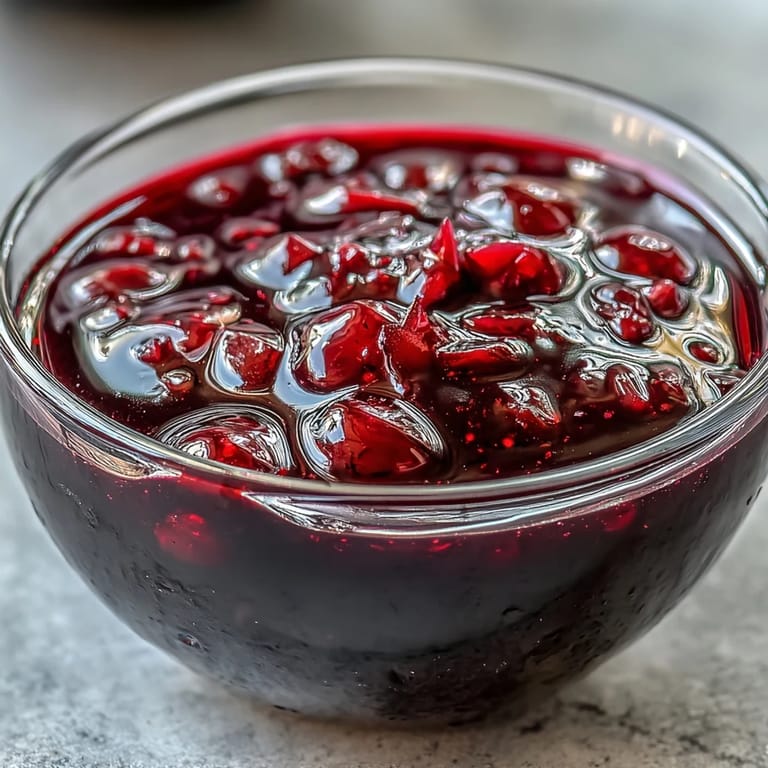
Save There's a moment when you first pour this over something green and watch the purple soak into the leaves that feels a bit like alchemy. My partner once said this dressing tastes like the color of late evening, which might be the most accurate description I've heard.
When to Use This Dressing
This vinaigrette isn't shy, so it needs salads confident enough to stand up to it. Delicate butter lettuce might feel overwhelmed, but sturdy spinach, arugula, and mixed greens love it. I've drizzled it over roasted beets and they seemed made for each other, and it transforms a simple grain salad into something that tastes intentional and restaurant-quality.
The Shallot Question
Some people ask me about straining out the shallot pieces if they prefer a smoother dressing, and honestly, whether you keep them or remove them depends on your mood. I like them in there because they soften as the dressing sits and dissolve into the mixture, but if you prefer a perfectly polished look, a fine mesh sieve works beautifully.
Perfect Pairings and Storage
This dressing is surprisingly versatile once you start thinking beyond salad—I've used it on roasted salmon, over a bed of farro with roasted vegetables, and even as a finishing drizzle on grilled chicken. The vinaigrette keeps in the fridge for up to a week, though you should shake it vigorously before each use since the oil and juice will naturally separate over time.
- If black currant juice is hard to find in your area, pomegranate or cranberry juice makes a worthy substitute and will taste slightly different but equally delicious.
- Make a double batch and keep it on hand so you're never tempted to buy bottled dressing again.
- Remember that this dressing is best used within a few days when the shallot flavor is bright, though it stays good refrigerated for the full week.
 Save
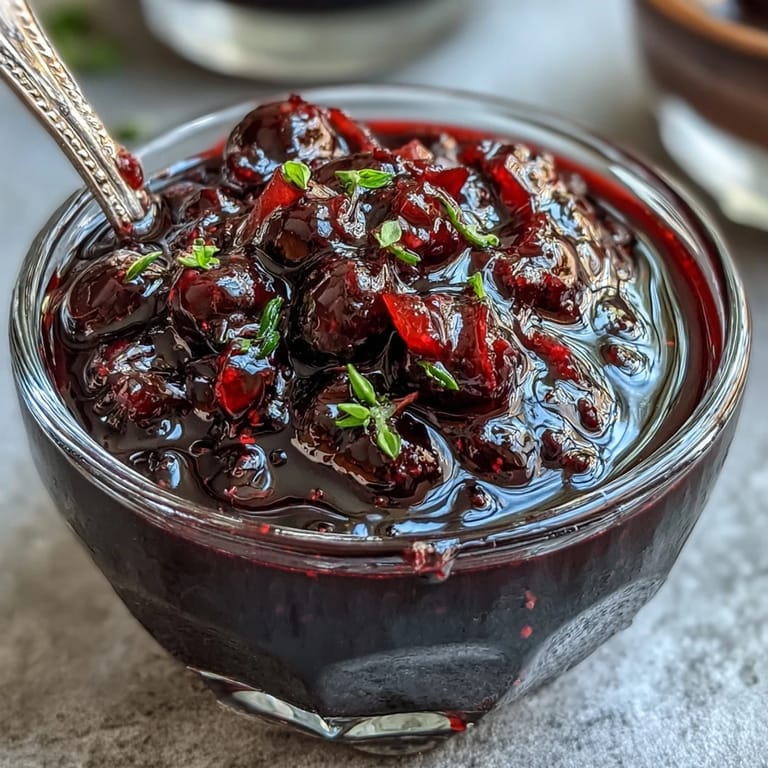
Save This vinaigrette has become one of those recipes I make without thinking, the kind that's always in my fridge waiting to rescue a simple lunch into something special. That's when you know a recipe has truly earned its place in your kitchen.
Recipe FAQs
- → What can I use instead of black currant juice?
Pomegranate or cranberry juice are excellent substitutes that provide a similar tart and fruity flavor.
- → How do I achieve a smooth texture in this vinaigrette?
Straining the dressing through a fine mesh sieve removes shallot pieces, resulting in a smoother consistency.
- → Can I store the vinaigrette, and for how long?
Yes, store it in a tightly sealed jar in the refrigerator for up to one week. Shake well before each use to recombine ingredients.
- → What dishes pair well with this vinaigrette?
This vinaigrette enhances leafy greens, roasted vegetables, grain salads, and complements grilled chicken or salmon wonderfully.
- → Is this dressing suitable for special diets?
It's vegetarian, vegan, gluten-free, and dairy-free, though it contains mustard, so check for allergy concerns.