 Save
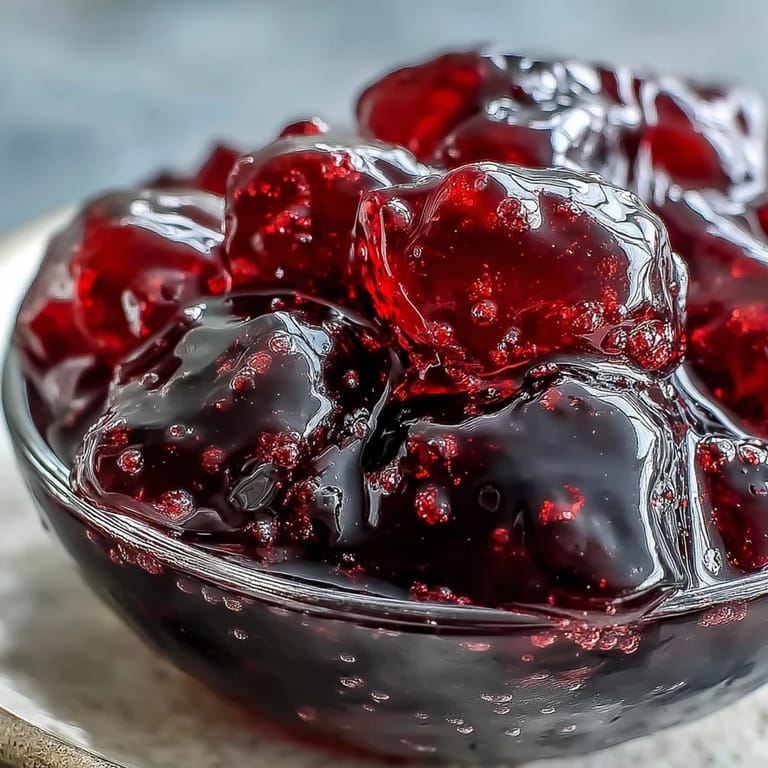
Save The first time I encountered black currants, I was wandering through a Saturday market in rural England. A elderly farmer pressed a small paper bag of these dark, jewel-like berries into my hands, insisting I take them home. The scent was unlike anything I'd experienced before—a mixture of tart berries, earth, and something almost floral. I had no idea what to do with them, so I asked my grandmother, who immediately suggested jelly. That afternoon changed how I thought about preserving fruit entirely.
Last summer, my neighbor brought over an entire basket of currants from her garden, more than she could possibly use. We spent the entire afternoon in my kitchen, simmering batches of fruit and chatting while the steam filled the room. Her daughter kept running in to ask if it was ready yet, fascinated by the transformation from berries to glowing ruby liquid. We ended up with twelve jars, and she still tells me that my morning toast has never been the same since.
Ingredients
- Fresh black currants: The natural pectin in these tart berries makes for a perfect set without adding commercial pectin
- Water: Just enough to help the fruit release its juice without diluting the intense flavor
- Granulated sugar: The preservative that balances the extreme tartness and helps the jelly set properly
- Lemon juice: Essential for both setting and brightness, it balances the earthy notes of the currants
Tired of Takeout? 🥡
Get 10 meals you can make faster than delivery arrives. Seriously.
One email. No spam. Unsubscribe anytime.
Instructions
- Prepare the fruit:
- Rinse the currants thoroughly and pull off any stubborn stems or leaves. Theres something satisfying about working through a bowl of these berries, their cool, smooth surface slipping through your fingers.
- Cook down the berries:
- Combine the currants and water in a heavy saucepan over medium heat. As they simmer, mash them occasionally with your spoon, watching the fruit collapse and release an incredible magenta juice that stains everything it touches.
- Extract the juice:
- Pour everything through a fine-mesh sieve into a large bowl and walk away. This is the hardest part—resisting the urge to press the fruit and force out more juice, which would make your jelly cloudy instead of brilliantly clear.
- Measure and prepare:
- You should have about three cups of jewel-toned juice. The sugar ratio is crucial here—measure exactly, and your jelly will set perfectly every time.
- Dissolve the sugar:
- Return the juice to a clean pan with the sugar and lemon juice. Stir over low heat until the sugar completely disappears, watching the liquid transform from cloudy to crystalline clear.
- Reach the setting point:
- Boil rapidly for 10 to 12 minutes until the jelly hits 105°C on a thermometer, or do the wrinkle test—spoon a bit onto a cold plate and push it with your finger. If it wrinkles, its done.
- Jar it up:
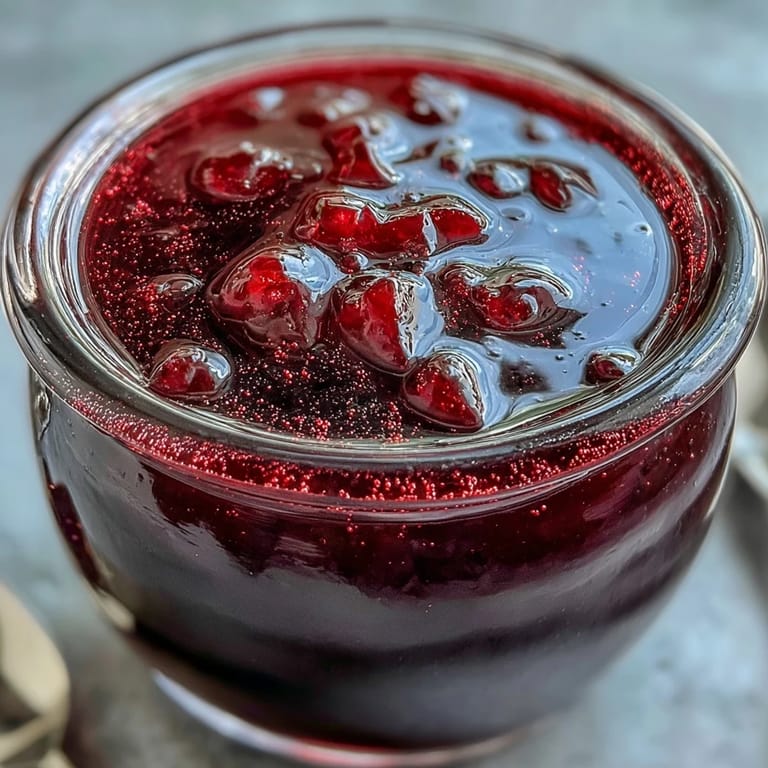
- Skim off any foam that formed during boiling, then carefully ladle the hot jelly into sterilized jars. The sound of the lids popping as they seal is one of the most satisfying kitchen sounds I know.
 Save
Save My friend Sophie came over recently for toast and coffee, spotted a jar of this jelly in my fridge, and practically inhaled half the jar in one sitting. She kept asking what I'd done differently from store-bought versions, unable to articulate the difference but knowing it was there. Now she texts me every summer asking when I'm making my next batch.
Getting the Perfect Set
Some years the currants are more pectin-rich than others, which affects how firmly the jelly sets. If your berries feel very ripe or the weather was particularly hot, you might need a little help from commercial pectin. I've learned to test a small batch first before committing the entire harvest.
Beyond the Breakfast Table
This jelly works beautifully as a glaze for fresh fruit tarts—the acidity cuts through rich pastry cream. I also swirl it into yogurt or use it as a filling for sponge cakes, where it adds both moisture and an elegant ruby ripple. Pair it with soft goat cheese on crackers for an instant appetizer.
Storage and Shelf Life
Properly sealed jars will keep for a year in a cool, dark cupboard, though honestly, they rarely last that long in my house. Once opened, move the jar to the refrigerator and use within three weeks. Always use a clean spoon to avoid introducing bacteria.
- Label your jars with the date so you can track freshness
- Store in a pantry away from direct sunlight
- Check seals before storing—any popped lids mean that jar needs to go into the fridge immediately
 Save
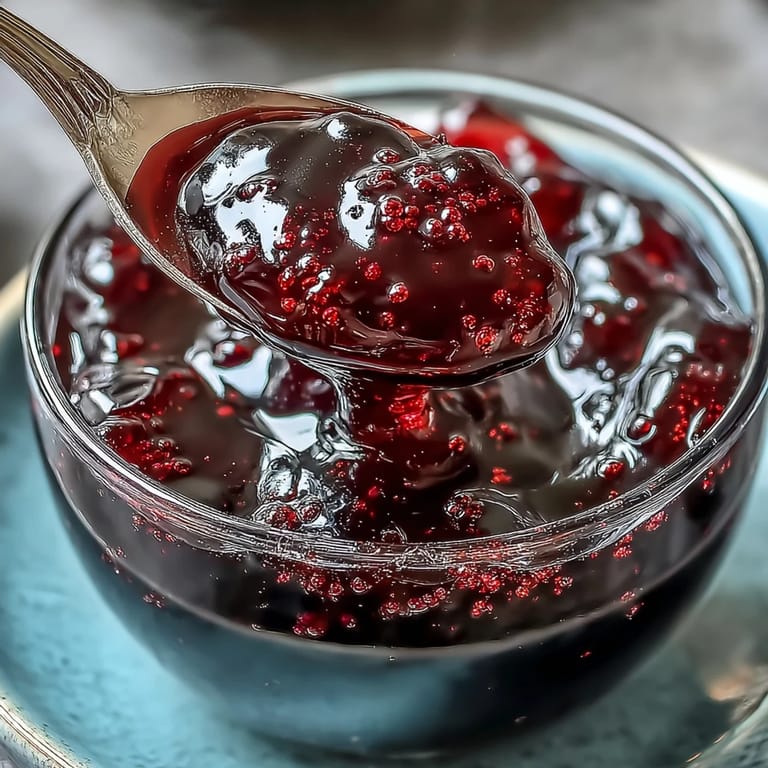
Save There's something deeply satisfying about seeing those jewel-toned jars lined up on the shelf, knowing you've captured summer in a jar. A little patience yields something extraordinary.
Recipe FAQs
- → Why should I avoid pressing the fruit when straining?
Pressing the fruit through the sieve releases cloudiness from the pulp and skins, resulting in an opaque jelly. Letting gravity do the work keeps the final product beautifully clear and jewel-like.
- → How do I know when the jelly is ready to jar?
The jelly is ready when it reaches 105°C (221°F) on a candy thermometer. Alternatively, place a spoonful on a cold plate and push it with your finger—if it wrinkles, it's set.
- → Can I use frozen black currants?
Yes, frozen currants work perfectly. Thaw them completely before cooking, and include any juices that accumulate during thawing as they contain natural pectin.
- → Why might my jelly not set properly?
Very ripe fruit contains less natural pectin. If your currants are extremely ripe, add commercial pectin according to package instructions to ensure a proper set.
- → What's the best way to sterilize jars?
Wash jars and lids in hot soapy water, rinse well, then place in a 120°C oven for 15 minutes. Keep them warm until filling to prevent thermal shock.
- → How long will the jelly keep?
Properly sealed and stored in a cool, dark place, unopened jars will keep for up to 12 months. Once opened, refrigerate and use within 3 weeks.