 Save
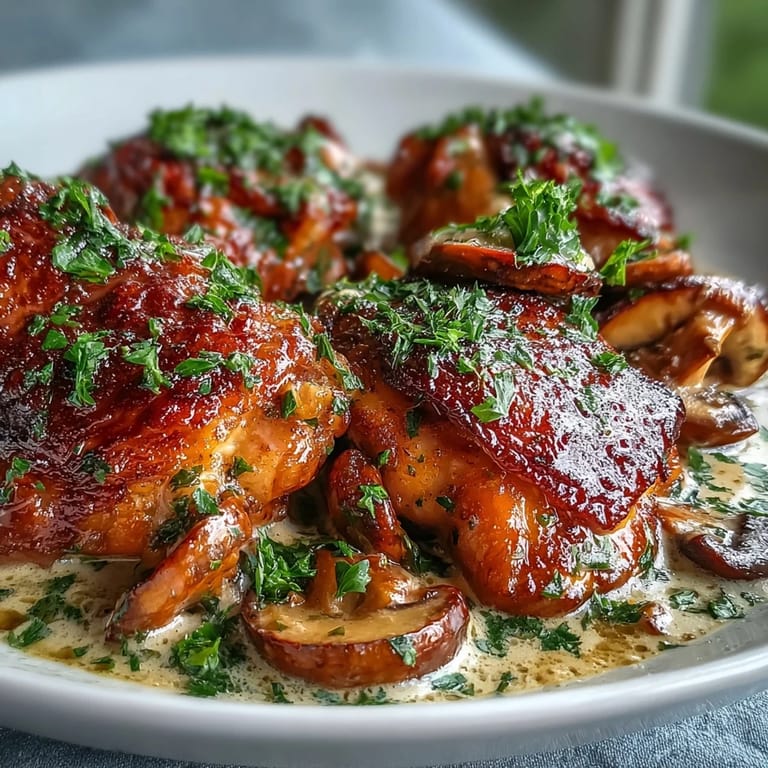
Save My friend Marie brought a bottle of rosé to a dinner party, and we ended up using it to braise chicken instead of the usual red wine. The kitchen smelled like spring even though it was October outside. The sauce turned this beautiful pale pink color, and everyone kept asking what made it taste so delicate. I realized then that rosé isn't just for summer picnics.
I made this for my mother's birthday last spring, and she kept the leftovers in a container she refused to share. She reheated it the next day and said the flavors had deepened overnight. Now she asks for it every time she visits, and I've learned to double the recipe because there are never enough leftovers otherwise.
Ingredients
- Bone-in, skin-on chicken pieces: The bones add flavor to the sauce and the skin crisps up beautifully when you brown it first, so don't skip that step.
- Dry rosé wine: Choose something you would actually drink, not cooking wine from a dusty bottle, because it's the star of the sauce.
- Olive oil: You need good heat tolerance for browning the chicken without burning, and olive oil handles that while adding a subtle fruity note.
- Onion, garlic, carrots, and leek: These aromatics build the base of the sauce and soften into sweet, savory bites that soak up all the wine.
- Cremini or button mushrooms: Quartering them gives more surface area to brown and they release their earthy flavor into the braising liquid.
- Tomato paste: Just two tablespoons add depth and a hint of sweetness that balances the acidity of the wine.
- All-purpose flour: This is optional but helps thicken the sauce slightly if you prefer it more velvety and less brothy.
- Heavy cream: Stirred in at the end, it mellows the wine and creates that glossy, restaurant-quality finish.
- Bay leaf, thyme, and rosemary: Fresh herbs are best here because they infuse the sauce with fragrance without overpowering the delicate rosé.
- Salt and black pepper: Season generously at the start and adjust at the end, because the flavors concentrate as the liquid reduces.
- Fresh parsley: A bright green sprinkle at the end makes the dish look alive and adds a fresh contrast to the rich sauce.
Tired of Takeout? 🥡
Get 10 meals you can make faster than delivery arrives. Seriously.
One email. No spam. Unsubscribe anytime.
Instructions
- Season the chicken:
- Pat each piece completely dry with paper towels so the skin browns instead of steaming, then season both sides with salt and pepper. Moisture is the enemy of a good sear.
- Brown the chicken:
- Heat the olive oil until it shimmers, then add chicken skin-side down without crowding the pot, working in batches if needed. Let each piece sit undisturbed for about 5 minutes until the skin releases easily and turns golden brown, then flip and repeat.
- Sauté the vegetables:
- In the same pot with all those browned bits still clinging to the bottom, add the onions, carrots, and leek, stirring occasionally until they soften and start to smell sweet. Toss in the mushrooms and let them cook until they release their moisture and begin to brown at the edges.
- Add garlic and tomato paste:
- Stir in the minced garlic and cook just until fragrant, about a minute, then add the tomato paste and let it caramelize slightly. This deepens the color and flavor of your sauce.
- Thicken with flour:
- If you want a thicker sauce, sprinkle the flour over the vegetables and stir everything together so it coats evenly. Cook for another minute to get rid of the raw flour taste.
- Deglaze with rosé:
- Pour in the rosé wine and use a wooden spoon to scrape up all those delicious browned bits stuck to the bottom of the pot. Nestle the browned chicken back in among the vegetables, then tuck in the bay leaf, thyme, and rosemary.
- Braise the chicken:
- Bring everything to a gentle simmer, cover the pot with a lid, and reduce the heat to low. Let it cook undisturbed for 45 minutes until the chicken is so tender you could pull it apart with a fork.
- Finish with cream:
- Fish out the bay leaf and herb sprigs, then stir in the heavy cream and let the sauce simmer uncovered for 5 to 10 minutes. It will thicken slightly and turn glossy, and this is when you taste and adjust the salt and pepper.
- Garnish and serve:
- Spoon the chicken and sauce onto plates or a serving platter, then scatter fresh parsley over the top. Serve it while it's still steaming.
 Save
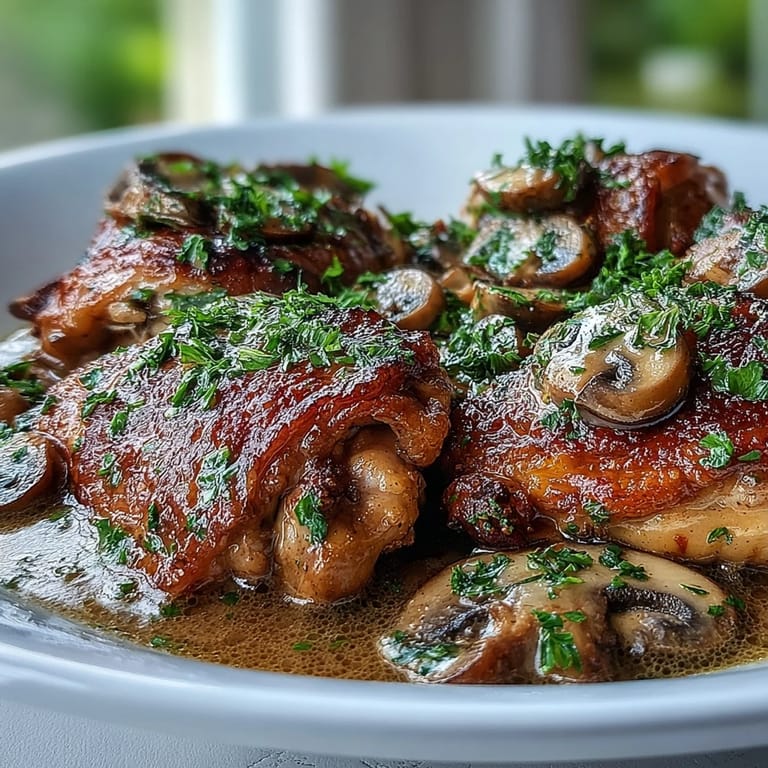
Save The first time I served this at a dinner party, someone asked if I had trained in France. I laughed and told them I just followed my nose and tasted as I went. That night I realized that good cooking isn't about perfection, it's about paying attention to what's happening in the pot and adjusting along the way.
Choosing Your Wine
I used to think any rosé would work, but after one disappointing batch made with a too-sweet bottle, I learned to read labels. Look for a dry Provençal rosé or something labeled brut, and avoid anything that says off-dry or semi-sweet. If you wouldn't pour it in a glass with dinner, don't pour it in your pot.
Serving Suggestions
This dish begs for something to soak up the sauce, and I've tried it all. Buttered new potatoes are classic and they turn pink from the sauce, which looks gorgeous on the plate. Crusty bread is perfect for mopping up every last bit, and plain white rice is honestly my weeknight go-to because it's simple and lets the chicken shine.
Storage and Reheating
Leftovers keep in the fridge for up to three days, and honestly they taste even better the next day once the flavors meld. Reheat gently on the stovetop over low heat, adding a splash of water or stock if the sauce has thickened too much. The chicken will be just as tender, and the sauce will coat your spoon like silk.
- Let the dish cool completely before refrigerating to prevent condensation from diluting the sauce.
- Freeze individual portions in airtight containers for up to two months if you want to save some for later.
- Always reheat slowly and taste before serving, because you might need to adjust the seasoning after storage.
 Save
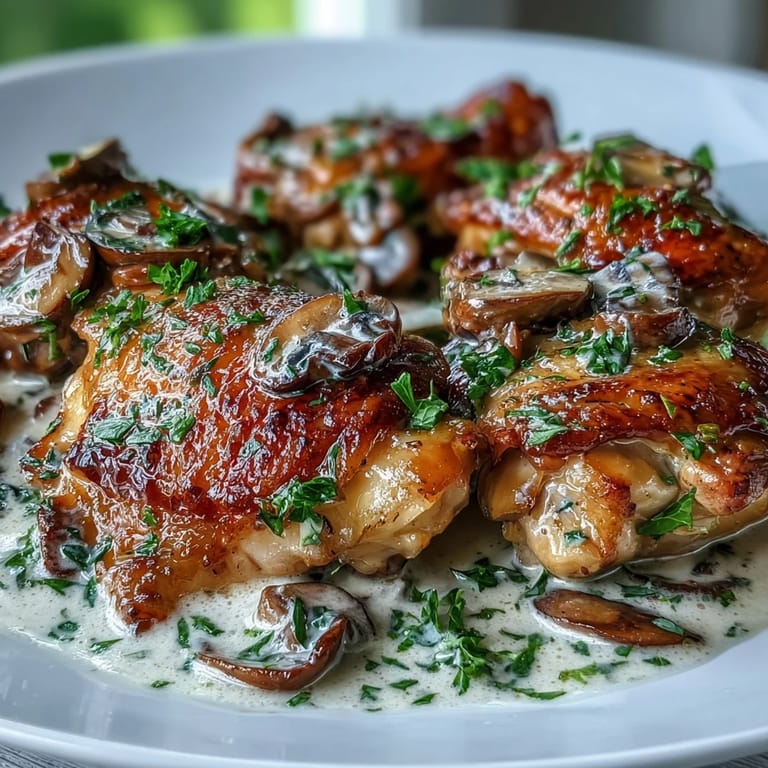
Save Every time I make this, I'm reminded that French cooking doesn't have to be intimidating. It just asks you to be patient, to let things simmer, and to trust that good ingredients will take care of themselves.
Recipe FAQs
- → Can I use boneless chicken instead of bone-in pieces?
While bone-in pieces are recommended for deeper flavor and moisture, you can use boneless thighs. Reduce cooking time to 25-30 minutes to prevent drying out.
- → What type of rosé wine works best for this dish?
Choose a dry rosé wine with good acidity, such as Provence rosé or dry Spanish rosado. Avoid sweet or fruity rosés, as they can make the sauce overly sweet.
- → Can I make this dish ahead of time?
Yes, this braise actually improves when made a day ahead. Cool completely, refrigerate, then reheat gently on the stovetop. Add the cream just before serving for best texture.
- → How can I thicken the sauce if it's too thin?
Simmer uncovered for longer to reduce the liquid, or create a slurry with 1 tablespoon cornstarch and 2 tablespoons water, then stir into the simmering sauce until thickened.
- → What can I substitute for heavy cream?
Crème fraîche adds wonderful tang, while half-and-half creates a lighter sauce. For dairy-free, use coconut cream, though the flavor profile will change slightly.
- → Can I add other vegetables to this dish?
Absolutely. Pearl onions, celery, or parsnips work beautifully. Add heartier vegetables at the beginning with the carrots, and delicate ones like peas near the end.