 Save
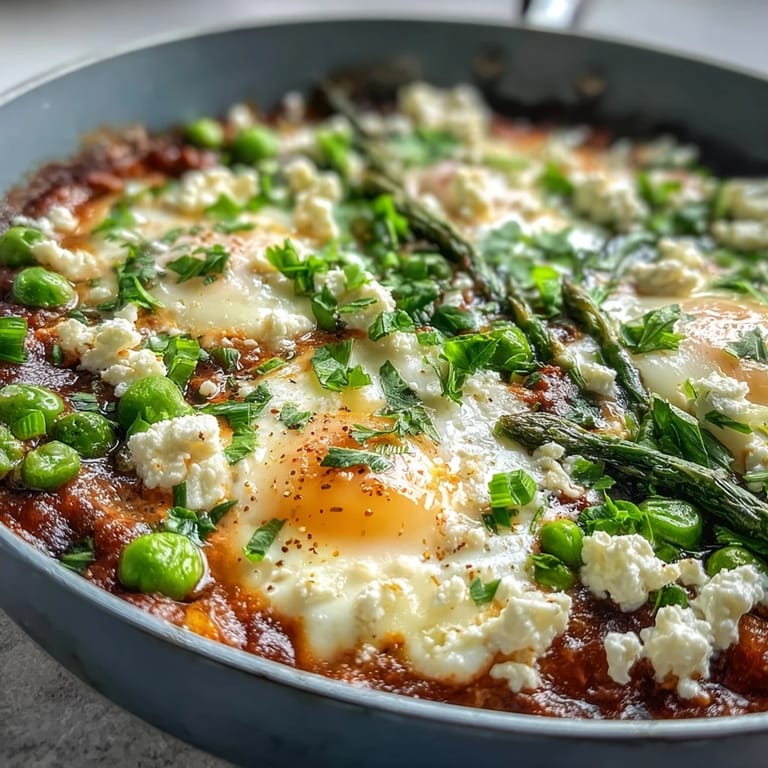
Save Last spring, I was standing in my kitchen on a grey Tuesday morning, staring at a container of broad beans that had been sitting in my fridge longer than I'd like to admit. My neighbor had dropped them off from her garden, along with a bunch of asparagus, and I suddenly remembered a shakshuka I'd eaten years ago at a tiny restaurant in Tel Aviv—all golden yolks and charred tomatoes. That's when it clicked: why not combine what I had with that memory? An hour later, my kitchen smelled like cumin and ripe tomatoes, and four of us were gathered around the table with crusty bread, fishing for runny yolks like we'd known each other for decades.
I've made this dish more times than I can count now, but the moment that stuck with me was cooking it for my partner's parents on Easter Sunday. His mum—who's skeptical of anything that isn't roasted chicken—took one bite and asked for the recipe. That felt like winning something. The combination of tender asparagus, the earthiness of broad beans, and those perfectly poached eggs swimming in spiced tomato sauce somehow made everyone at the table slow down and actually taste their food.
Ingredients
- Olive oil: One tablespoon is enough to build a proper base—don't skimp here, it's what gives the onions their sweetness.
- Medium onion, finely chopped: This is your foundation; take your time and get them soft and golden before moving forward.
- Garlic cloves, minced: Two cloves keeps it subtle so they don't overpower the delicate vegetables.
- Red bell pepper, diced: Adds sweetness and a bit of color; it softens beautifully into the sauce.
- Asparagus, trimmed and cut into 2 cm pieces: Fresh or frozen both work, but fresh has that slight snap that makes the difference.
- Fresh or frozen peas: Frozen peas are honestly just as good as fresh here and more convenient.
- Fresh or frozen broad beans, shelled: Their buttery texture is what makes this shakshuka special—don't skip them for regular beans.
- Canned chopped tomatoes or passata: Good quality makes a real difference; a can of San Marzano or a carton of passata will elevate the whole dish.
- Tomato paste: Two tablespoons concentrate the tomato flavor and thicken the sauce naturally.
- Ground cumin: Warm and earthy, it's the backbone of the spice profile.
- Smoked paprika: Adds a subtle smokiness that feels almost like you've cooked this over fire.
- Ground coriander: Half a teaspoon brings a gentle, citrusy note that lifts everything.
- Chili flakes, optional: Leave them out if you're cooking for people who prefer mild food, but they're worth adding if everyone's game for a bit of heat.
- Salt and black pepper: Taste as you go—this is how you learn to cook.
- Large eggs: Four to six depending on appetite; the yolk is the whole point, so don't overcook them.
- Fresh parsley or mint, chopped: Mint feels more spring-like, but parsley is classic and does the job just as well.
- Feta cheese, crumbled, optional: The tang cuts through the richness of the eggs beautifully.
- Lemon wedges: Essential for serving—squeeze them over everything right before you eat.
Tired of Takeout? 🥡
Get 10 meals you can make faster than delivery arrives. Seriously.
One email. No spam. Unsubscribe anytime.
Instructions
- Build Your Base:
- Heat the olive oil in a large, deep skillet over medium heat, then add your chopped onion. You'll know it's right when it becomes translucent and just starts to turn golden—about 4 to 5 minutes—because that's when the natural sugars wake up.
- Layer In the Aromatics:
- Stir in the minced garlic and diced red bell pepper, cooking for another 2 to 3 minutes until the pepper softens slightly and everything smells absolutely incredible. This is the moment where your kitchen starts to feel alive.
- Toast Your Spices:
- Add the cumin, smoked paprika, coriander, and chili flakes (if using) and let them cook for just one minute—this releases their essential oils and prevents them from tasting raw. You'll smell it immediately when they hit the warm oil.
- Deepen the Sauce:
- Stir in the tomato paste, then add your canned tomatoes along with a pinch of salt and pepper. Simmer uncovered for about 10 minutes, stirring occasionally, until the sauce thickens slightly and deepens in color. You're building complexity here.
- Add the Spring Vegetables:
- Toss in the asparagus, peas, and broad beans, then cover the pan and let everything cook gently for 7 to 8 minutes. The vegetables should be tender but not mushy—you want them to still have some character.
- Create Egg Wells and Poach:
- Use the back of your spoon to make small indentations in the sauce, spacing them out so the eggs have room to set. Crack an egg into each well, cover the pan, and cook gently for 5 to 7 minutes until the whites turn opaque but the yolks are still gloriously runny—this is the whole reason we're doing this.
- Finish with Brightness:
- Remove from heat and scatter fresh parsley or mint across the top, add crumbled feta if you're using it, and serve immediately with lemon wedges and crusty bread for soaking up every last bit of sauce.
 Save
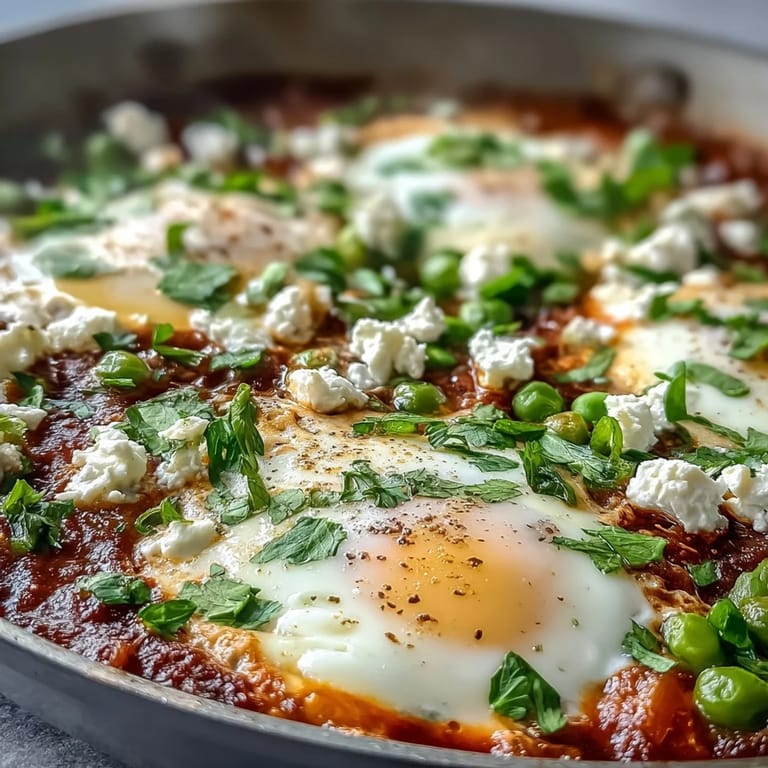
Save There's something almost meditative about watching eggs poach in a simmering sauce—the way the whites turn opaque and cloudy, how the sauce bubbles gently around them, the moment you lift the lid and everything smells like dinner and comfort all at once. That's when I know this dish has done what it's supposed to do.
Spring Vegetables Done Right
The beauty of this shakshuka is that it actually celebrates vegetables instead of hiding them. Fresh asparagus, peas, and broad beans are at their peak in spring, and there's something almost criminal about overcooking them. The sauce is flavored deeply enough that it doesn't need to compete with the vegetables—it supports them. Each bite should taste like you've captured a farmers market in a single pan.
The Spice Balance
What makes this different from other tomato-based egg dishes is the spice profile—cumin, smoked paprika, and coriander create warmth without heat, which is the Middle Eastern way of doing things. I learned this by making the mistake of adding too much chili to my first batch and drowning out all those other flavors. Now I keep the heat optional and let people add their own if they want it. The baseline should be comforting and aromatic, not aggressive.
Serving and Sharing
This is one of those dishes that's actually better when you serve it family-style—straight from the skillet to the table, with bread and lemon wedges passed around. Everyone can pick and choose their vegetables, decide how many eggs they want, and squeeze lemon over their portion exactly how they like it. It turns a meal into a moment.
- Serve this immediately while it's hot and the eggs are still runny—there's no reheating that gets you back to the original magic.
- If someone doesn't eat eggs, load their bowl with extra vegetables and sauce, and consider adding chickpeas for protein.
- Crusty bread or warm pita is non-negotiable here; you'll want something to soak up every drop of sauce.
 Save
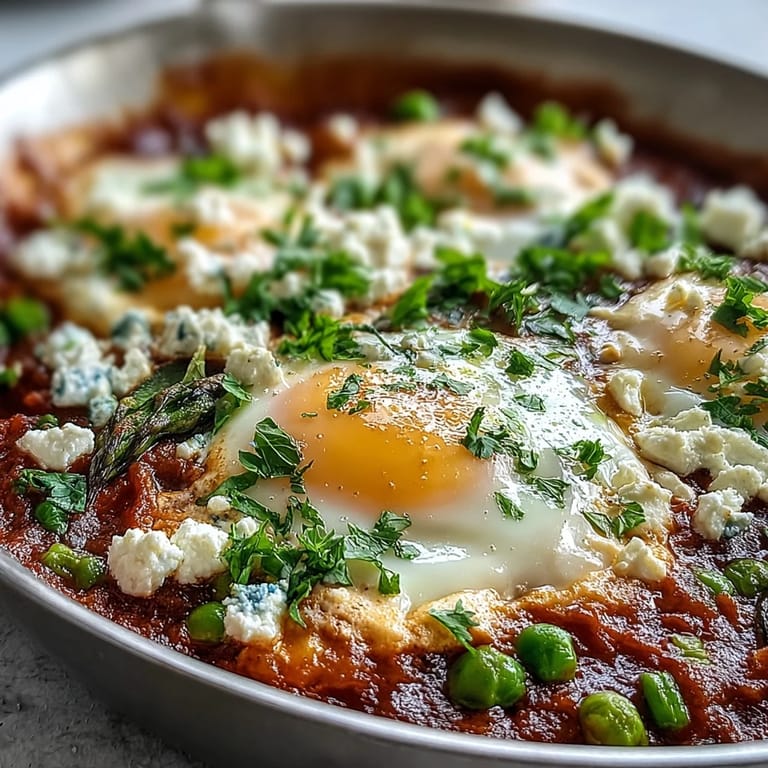
Save This shakshuka has become my go-to whenever I want to feel like I've cooked something worth eating without spending the whole evening in the kitchen. It's one of those rare dishes that feels both simple and special at the same time.
Recipe FAQs
- → Can I make this ahead of time?
The vegetable base can be prepared up to a day in advance and stored in the refrigerator. When ready to serve, reheat gently, make wells in the sauce, and crack in fresh eggs to poach. The eggs are best cooked just before serving for optimal texture.
- → What can I use instead of broad beans?
Edamame beans work beautifully as a substitute, or you can increase the quantity of peas. Fresh fava beans are also excellent when in season. For a different twist, try chopped green beans or even cubed zucchini.
- → How do I know when the eggs are done?
Cook for 5-7 minutes with the lid on. The whites should be completely set and opaque, while the yolks should still be slightly jiggly when you gently shake the pan. For firmer yolks, cook for an additional 2-3 minutes.
- → Can I freeze leftovers?
The vegetable base freezes well for up to 3 months. However, once eggs are added, freezing is not recommended as the texture becomes rubbery. If you plan to freeze, prepare the sauce and vegetables without eggs, then defrost and add fresh eggs when reheating.
- → What's the best bread to serve with?
Warm pita bread is traditional and perfect for scooping. Alternatively, try flatbread, sourdough, or crusty ciabatta. For a gluten-free option, serve with corn tortillas or gluten-free flatbread.
- → How can I make it spicier?
Increase the chili flakes to 1 teaspoon, or add a finely chopped fresh chili pepper along with the garlic. Harissa paste stirred into the tomato sauce also adds wonderful depth and heat.